
Favorite Fire Damage Restoration Supplies For Professionals And DIYers
Choose from a curated selection of trusted products suitable for both expert restorers and DIY fire recovery projects.
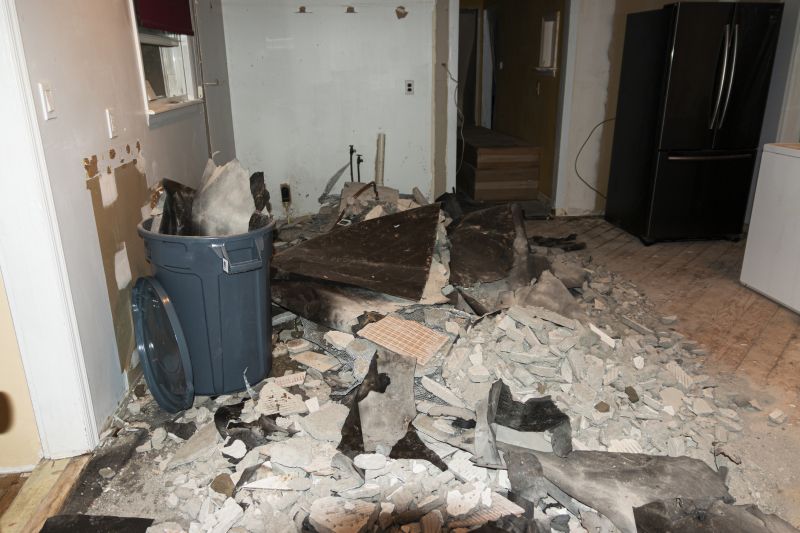 Fire restoration products are essential tools and materials used in the process of recovering and repairing properties affected by fire damage. These products help mitigate smoke and soot residues, eliminate odors, and restore the structural integrity of affected areas. Effective fire restoration involves a combination of cleaning agents, protective equipment, and specialized tools designed to handle the unique challenges posed by fire and smoke damage.
Top Overall Option
Comprehensive Fire Damage Restoration Kit
A well-rounded fire restoration kit includes a variety of cleaning agents, odor neutralizers, soot removal tools, and protective gear. Designed for both professionals and serious DIY restorers, this kit offers versatility for different surfaces and damage levels, making it a practical choice for comprehensive fire damage recovery.
Types of Products For Fire Restorations
Soot and Smoke Cleaning Solutions
Specialized cleaners formulated to remove soot and smoke residues from walls, ceilings, and surfaces, helping to restore the appearance and reduce odors.
Odor Neutralizers and Eliminators
Products designed to neutralize persistent smoke odors, often using enzymatic or ozone-based formulas.
Fire-Resistant Sealants and Coatings
Protective coatings that help prevent further damage and contain soot or smoke residues during cleaning.
Protective Personal Equipment
Respirators, gloves, and protective suits to ensure safety during cleaning and restoration tasks.
Structural Repair Materials
Patching compounds, adhesives, and reinforcement products for restoring damaged walls, ceilings, and floors.
Dehumidifiers and Air Scrubbers
Equipment to control humidity and filter airborne contaminants during the restoration process.
Electrostatic and Ultrasonic Cleaners
Tools for deep cleaning surfaces and objects affected by soot and smoke residues.
Fire Damage Assessment Tools
Infrared cameras and moisture meters to evaluate the extent of damage and guide restoration efforts.
Cleaning Wipes and Rags
Pre-moistened wipes and durable rags for quick cleanup of soot and residues.
Fire-Resistant Drywall and Insulation
Replacement materials designed to withstand high temperatures and prevent fire spread.
Smoke Odor Absorbing Gels
Absorptive gels that help reduce lingering smoke smells in enclosed spaces.
Chemical Fire Retardants
Products used to treat surfaces and materials to improve fire resistance.
Water Extraction and Drying Equipment
Tools for removing water used during firefighting efforts and drying out affected areas.
Cleaning and Restoration Enzymes
Biological solutions that break down organic residues and odors caused by smoke.
Fire Damage Documentation Software
Digital tools for recording damage assessments and restoration progress.
Popular Choices
Effective sprays formulated to loosen soot and smoke residues from surfaces.
Absorptive gels that help eliminate persistent smoke odors in indoor environments.
High-capacity purifiers equipped with HEPA filters to improve indoor air quality during restoration.
Pre-moistened wipes designed for quick soot and residue cleanup on various surfaces.
Replacement drywall designed to resist high temperatures and prevent fire spread.
Devices used to neutralize smoke odors through ozone treatment.
Tools for physically removing soot from textured surfaces and hard-to-reach areas.
Equipment to control moisture levels and prevent mold growth during restoration.
Products used to seal porous surfaces affected by smoke and soot to prevent odor absorption.
Infrared or thermal cameras to identify hidden damage behind walls and ceilings.
Portable beads that absorb and neutralize smoke smells in small spaces.
Specialized sponges for dry cleaning soot from delicate surfaces.
Air filtration units equipped with multiple filters to remove airborne particles and odors.
Insulation materials designed to withstand high temperatures and improve safety.
Biological solutions that target organic residues left by smoke and fire.
When dealing with fire damage, it is important to select products that are versatile and capable of addressing different surfaces and materials. From heavy-duty cleaning solutions to odor neutralizers, the right products can significantly improve the efficiency and effectiveness of restoration efforts. Proper application and safety precautions are vital, as some products contain potent chemicals that require careful handling.
Restoration professionals often rely on a variety of products tailored to specific tasks, such as soot removal, deodorization, and structural repair. Using high-quality, appropriate products can help prevent secondary damage and ensure a safer environment for occupants and workers. It is also advisable to consider products that are compatible with other restoration materials and methods to streamline the process.
Overall, the selection of fire restoration products should be guided by the extent of damage, surface types involved, and safety considerations. Investing in a comprehensive set of tools and supplies can facilitate a smoother restoration process, ultimately helping property owners recover more efficiently from fire incidents.
Key Buying Considerations
- Identify the extent of fire and smoke damage to determine necessary products.
- Ensure compatibility of cleaning products with different surfaces such as drywall, wood, and fabric.
- Prioritize products with clear safety instructions and appropriate protective equipment.
- Consider the effectiveness of odor neutralizers for persistent smoke smells.
- Evaluate the capacity and size of equipment like air purifiers and dehumidifiers for the space involved.
- Look for products that are easy to apply and suited to both professional and DIY use.
- Check for product reviews and ratings to gauge reliability and performance.
- Consider the environmental conditions, such as humidity and temperature, during restoration.
- Assess the availability of replacement parts or refills for equipment used regularly.
- Review safety data sheets and handling instructions for chemical products.
- Determine if the products are suitable for sensitive materials or delicate furnishings.
- Evaluate the storage requirements and shelf life of chemical products.
- Consider the need for specialized tools like infrared cameras or moisture meters for thorough assessment.
- Balance cost with quality to ensure effective restoration without unnecessary expenditure.
- Verify that products meet industry standards and certifications for fire restoration.